Resilient Scriptural Self-Conversation
Section outline
-
Christian Leaders Institute • Christian Growth Course
Resilient Scriptural Self-Conversation
Learn to recognize the inward conversations shaping your emotions, identity, habits, relationships, fears, and spiritual life—and welcome Scripture and the Holy Spirit into those conversations with truth, grace, courage, and hope.
What inward conversations are shaping your life?
Resilient Scriptural Self-Conversation helps Christians notice the internal scripts influencing their emotions, decisions, identity, relationships, habits, temptations, fears, and spiritual growth.This course offers a Christ-centered path for welcoming Scripture and the Holy Spirit into your inward conversations with truth, grace, wisdom, courage, and practical formation.
Course Overview
Many believers struggle with discouraging thoughts, fear, anxiety, panic, shame, low self-esteem, painful memories, temptation, bitterness, rejection, overthinking, or nighttime worry.
Resilient Scriptural Self-Conversation helps participants recognize the internal scripts operating within them and practice responding with biblical truth, spiritual discernment, embodied faith, wise support, and new creation hope.
Participants learn to receive themselves as organic humans created by God and being renewed in Christ. They explore how spiritual and physical life work together through thoughts, beliefs, emotions, memories, nervous-system responses, bodily habits, sleep, relationships, and spoken words.
Your feelings are real, but they are not your lord.
Your thoughts are not always telling the truth.
Your past does not own you.
Your shame is not your name.
Your fear does not determine your future.What You Will Learn
Notice the Inner Conversation
- Recognize the thoughts, beliefs, fears, memories, emotions, and internal scripts shaping your responses.
- Pause, notice, and name what is happening within you without immediately reacting.
- Understand how spiritual life, physical responses, sleep, bodily habits, relationships, and spoken words work together.
- Discern when a thought reflects biblical truth and when it may be distorted by fear, shame, temptation, pain, or past experience.
Practice New Creation Thinking
- Welcome Scripture and the Holy Spirit into inward conversations.
- Replace destructive or misleading scripts with biblical truth and grace.
- Practice identity in Christ rather than shame, condemnation, fear, or false self-definition.
- Take one faithful embodied step rooted in the promises of God and the Lordship of Jesus Christ.
Three Practical Tools
WELCOME Tool
Examine inward conversations, identify the script operating within you, welcome Scripture and the Holy Spirit, and choose a faithful response.
GROUND Tool
Interrupt rumination, fear, panic feelings, overthinking, and repetitive mental loops by becoming present, grounded, prayerful, and responsive to truth.
REST Tool
Release the day to God, calm nighttime worry, prepare your mind and body for sleep, and practice trusting God through the night.
Key Areas of Growth
Depression and Heaviness
Practice biblical lament, honest prayer, hope, embodied care, and wise support without denying pain.Fear, Anxiety, and Panic Feelings
Use grounding, prayer, truth, nervous-system awareness, and trust to respond faithfully during fear and mental overwhelm.Shame and Identity
Recognize that shame is not your name and practice receiving your identity, dignity, forgiveness, and renewal in Jesus Christ.Painful Memories and False Self-Blame
Challenge abuse-related false self-blame with truth, safety, compassion, appropriate boundaries, and wise support.Victim Thinking and Faithful Agency
Acknowledge real harm while practicing responsibility, discernment, faithful action, and the next step that remains within your control.Temptation and the Way of Escape
Recognize temptation scripts, practice repentance, receive grace, identify the way of escape, and take embodied steps toward faithfulness.Bitterness, Anger, and Resentment
Practice forgiveness, wise boundaries, trust discernment, truthful communication, and Peacefire responses without minimizing harm.Rejection and Loneliness
Respond to painful rejection with truth, identity in Christ, healthy connection, prayer, and faithful relational courage.Overthinking and Nighttime Worry
Interrupt mental loops, release unfinished concerns to God, and cultivate rhythms that support peaceful rest.How the Course Works
Through practical lessons, Growth Stories, private worksheets, Bible studies, and optional ministry conversations, participants learn to identify the inward scripts shaping their responses and practice a new way of engaging those conversations.
Personal Formation
- Private reflection worksheets
- Scripture-based self-conversation practices
- Growth Stories and practical examples
- Bible studies and prayer exercises
- Faithful embodied next steps
Ministry and Group Application
- Church groups
- Soul Centers
- Ministry referral conversations
- Chaplaincy support
- Christian coaching conversations
- Leadership preparation
What This Course Does Not Teach
This course does not teach participants to deny sadness, suppress fear, pretend painful memories do not matter, ignore abuse, avoid professional care, or assume that every mental or emotional struggle can be resolved through positive thinking.
Important care reminder:
Spiritual growth does not replace licensed counseling, medical care, crisis response, trauma-informed support, emergency services, or other professional care when those forms of help are needed. Participants are encouraged to seek wise support and appropriate referral when concerns move beyond the scope of a Christian Growth Course.Course Goal
The goal is not a life without sadness, fear, temptation, painful memories, difficult nights, or the need for help.
The goal is a Christ-centered organic human who can notice the inner conversation, welcome Scripture and the Holy Spirit, speak truth with grace, resist shame and condemnation, seek wise support, take the next faithful step, fall asleep in peace, and walk in new creation resilience and hope.
By the end of this course, participants will have practical tools for responding to inward conversations with biblical truth, emotional honesty, embodied wisdom, spiritual discernment, healthy support, and faithful action under the Lordship of Jesus Christ.Course Instructors
Resilient Scriptural Self-Conversation is taught by Rev. Henry Reyenga and Attorney/Pastor Brian DeCook, with Haley Steiner as the presenter.
Begin Your Journey Today
Your inward conversations influence how you see yourself, respond to pain, relate to others, face temptation, make decisions, and walk with God.
Begin today and learn how to welcome Scripture and the Holy Spirit into those conversations with truth, grace, wisdom, courage, resilience, and hope in Christ.
Ready to begin?
Scroll up and click the “Enroll me” button to get started.
-
-
-
-
-
-
-
-
-
-
-
-
-
🎉 Well Done!
Congratulations on Completing This Course!
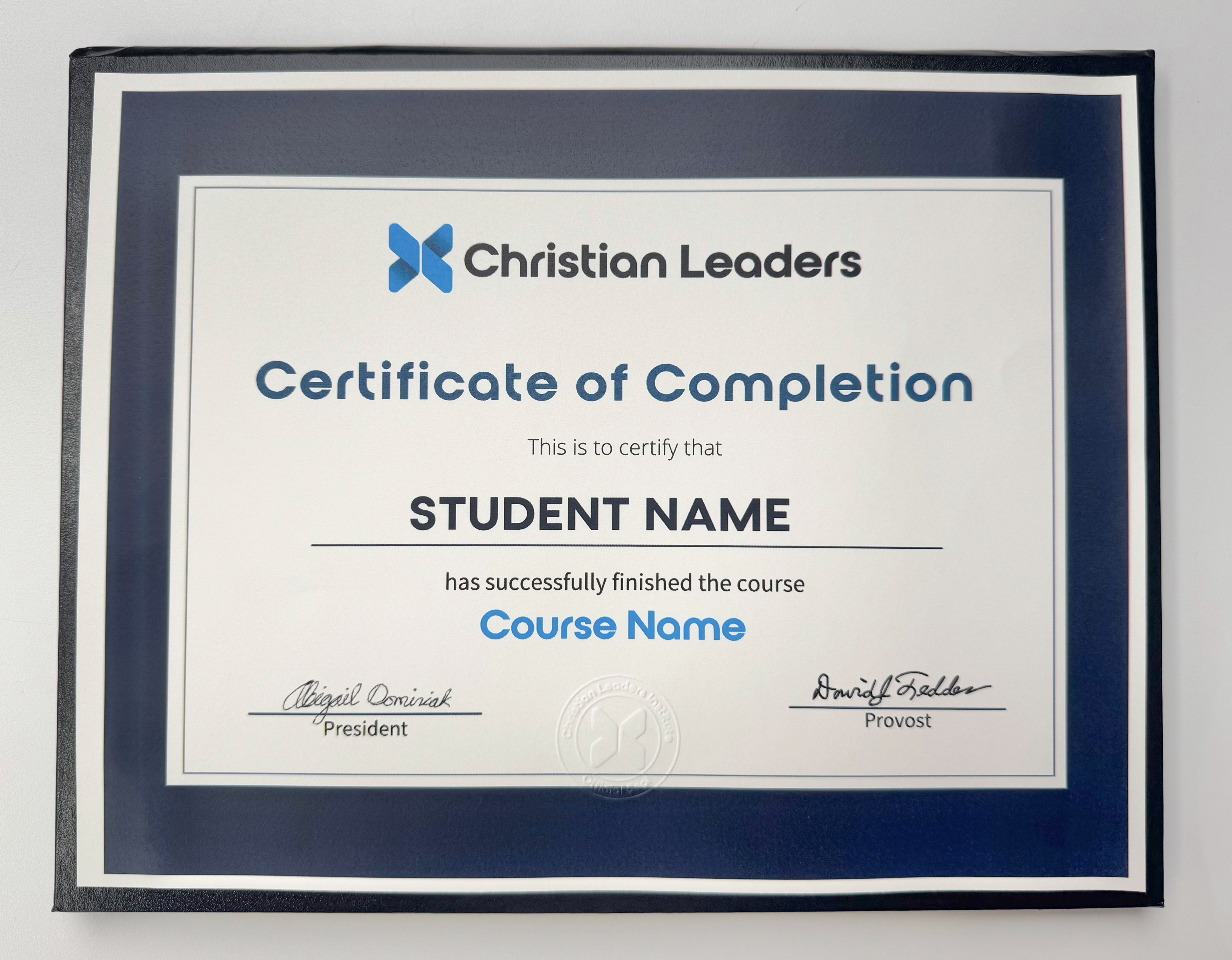
You've successfully completed this course. Celebrate your accomplishment with a personalized Certificate of Course Completion that recognizes the time, effort, and dedication you've invested in your learning journey.
Purchase Your Certificate